
February Newsletter Topics
Threshold Slope “Fixes”
Threshold modifications are among the most common field adjustments in existing facilities. When vertical changes exceed allowable tolerances, a frequent response is to introduce a sloped surface intended to create a compliant transition.
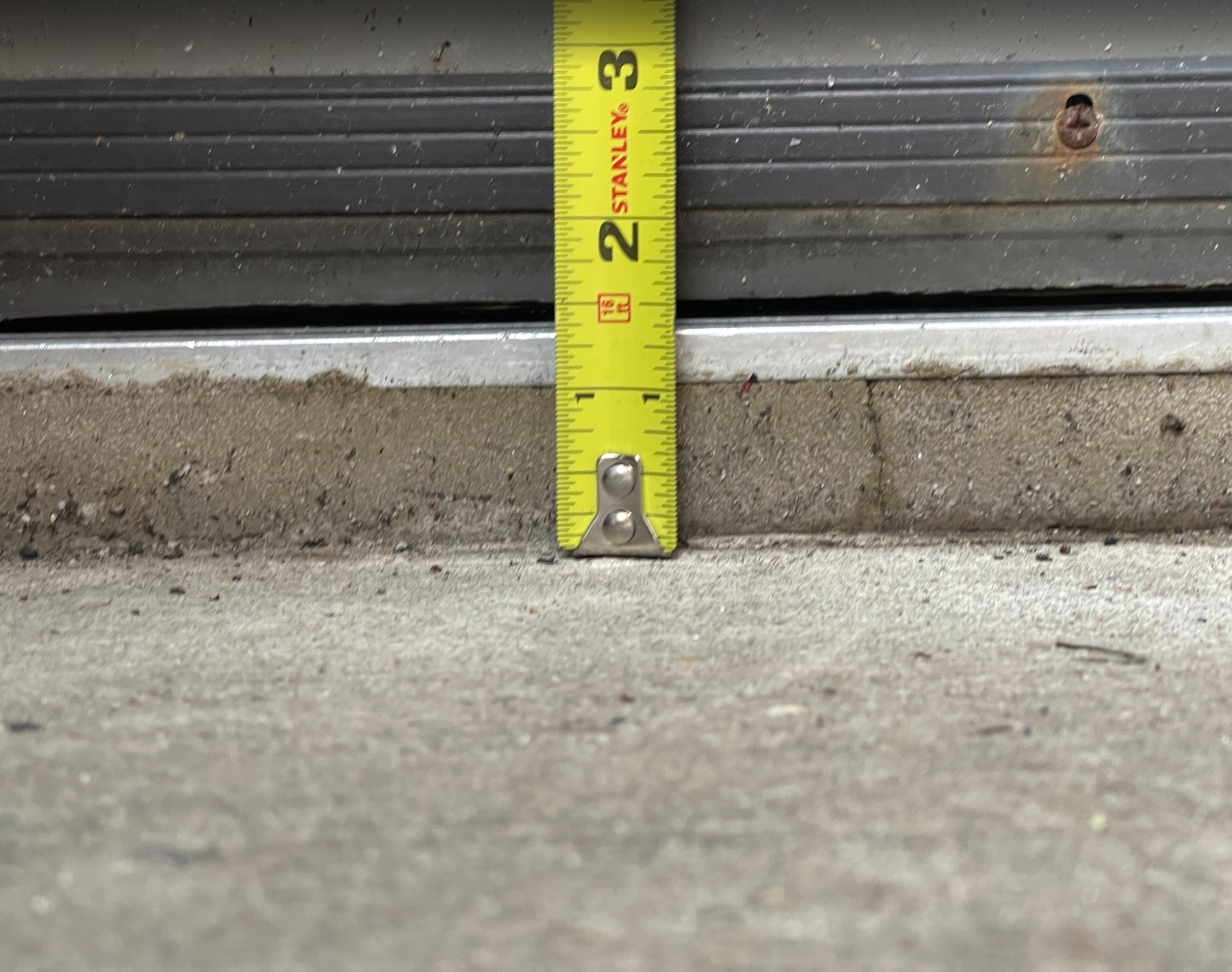
Closeup of a non compliant threshold.
While this approach may address the height differential at the threshold, it often alters the adjacent maneuvering clearance at the door. The resulting surface can introduce slopes exceeding the allowable 2 percent limit in any direction, creating a new compliance issue.
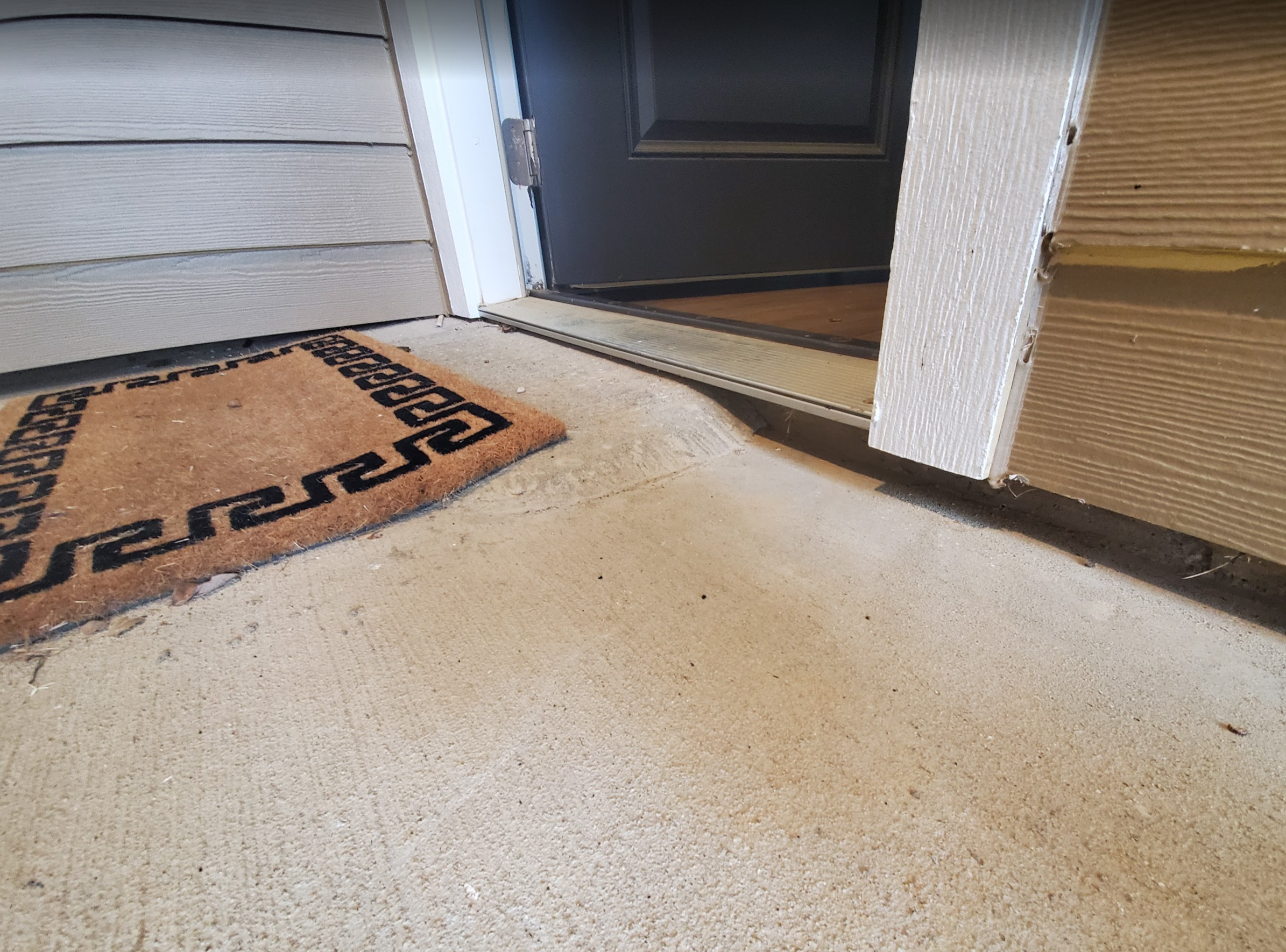
A sloped surface added to address a threshold height can alter the door maneuvering clearance and introduce excessive slope.
Accessibility requirements evaluate thresholds and maneuvering clearances as an integrated condition. Adjustments intended to resolve one dimensional constraint may therefore generate secondary violations when slope and clearance relationships are not evaluated together.
The Changing Accessible Route
Accessible routes rarely become obstructed through sudden design failures. More commonly, usable pedestrian space is gradually reduced through incremental changes such as vegetation growth, surface displacement, temporary installations, or maintenance-related modifications.
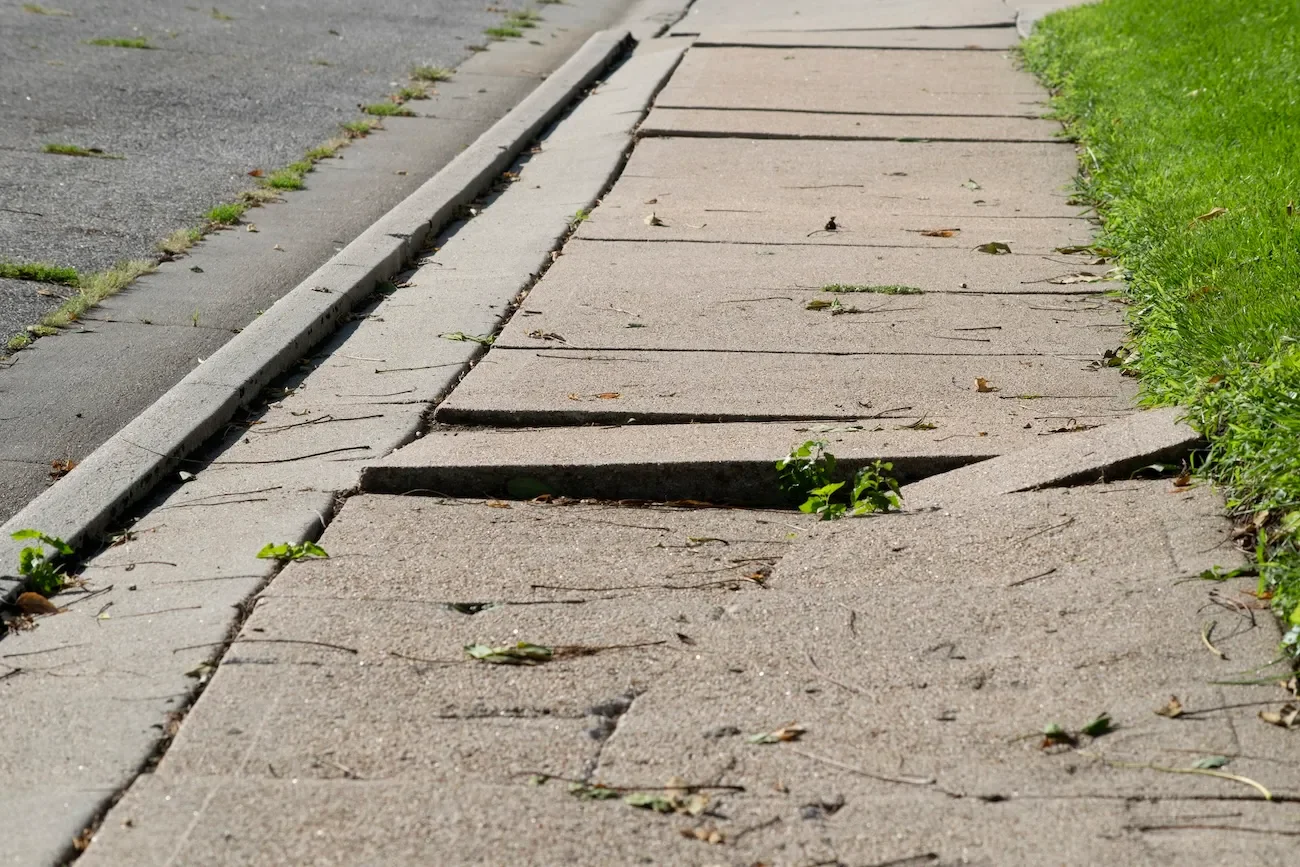
Minor surface movement and settlement can incrementally reshape pedestrian space over time.
These conditions often develop subtly. Branches extend into walkways, fixtures shift slightly, or added elements encroach into required clearances. Over time, minor adjustments reshape the functional envelope of the route without triggering immediate attention.
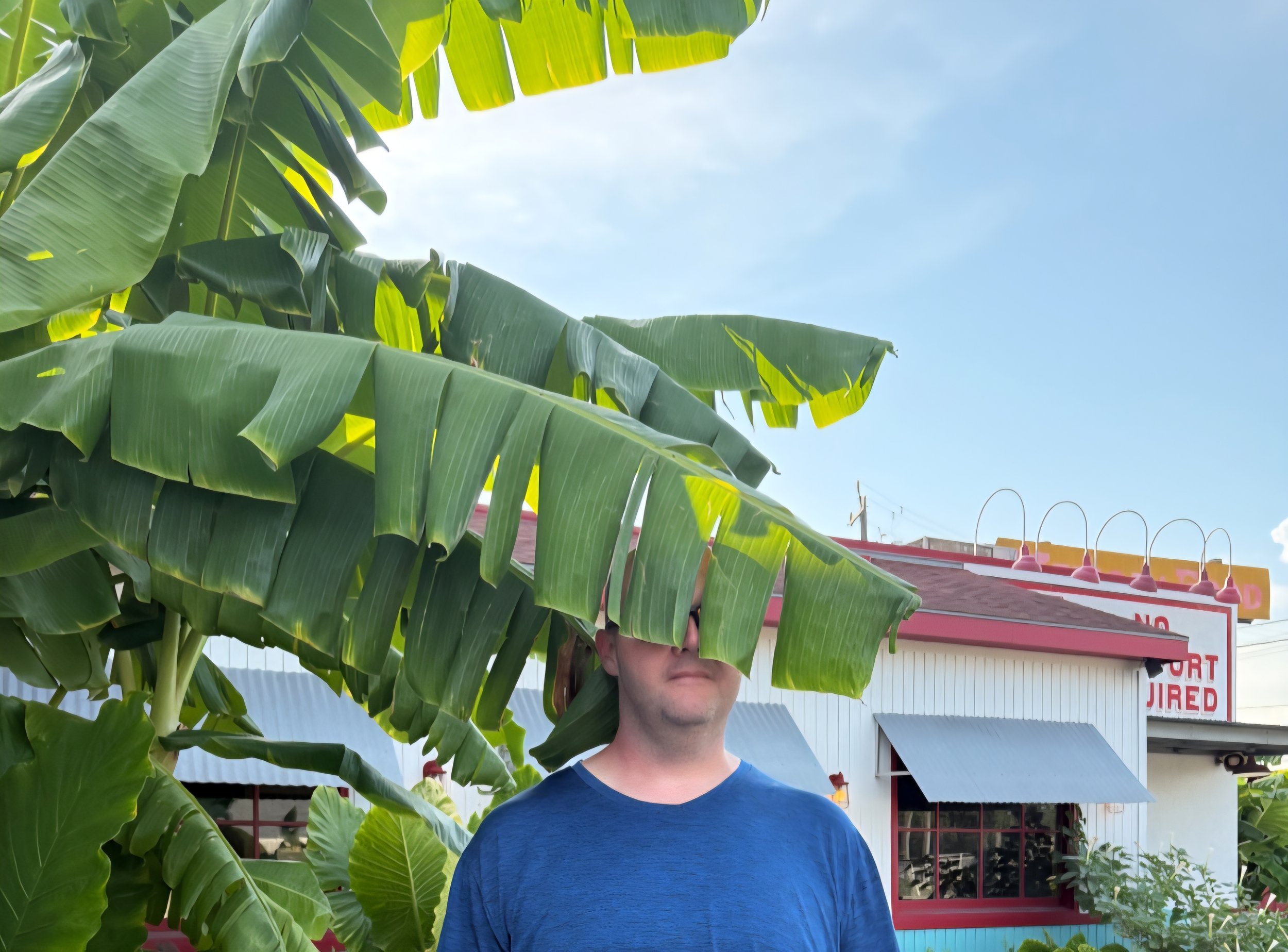
Vegetation growth is a common contributor to gradual clearance loss along accessible routes.
Maintaining accessibility requires recognizing that clearance is not a static measurement established at construction. It is an ongoing condition influenced by landscape maintenance, facility operations, and routine property management decisions.
Welcome Center and Star of the Republic Museum
Washington on the Brazos
This month’s featured project highlights include the Welcome Center and Star of the Republic Museum at Washington on the Brazos. The museum preserves and presents the political, cultural, and social history surrounding the formation of the Republic of Texas.
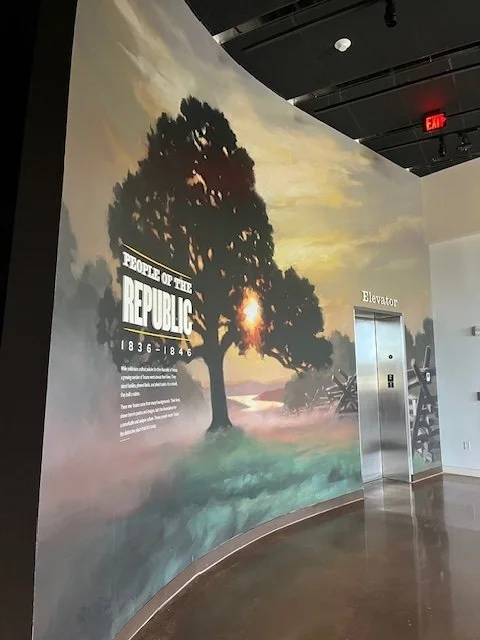
Interior circulation elements support visitor movement while reinforcing the museum’s interpretive environment.
Facilities of this nature serve a uniquely public role, combining education, interpretation, and visitor experience. The built environment within these spaces must support circulation, engagement, and usability for a broad range of visitors.
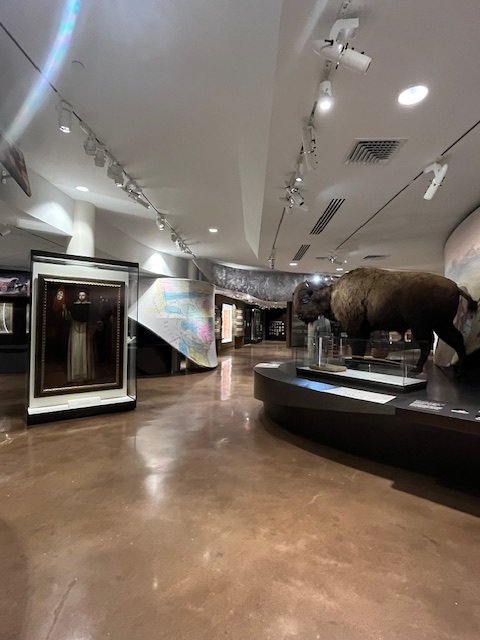
Exhibit layouts and circulation paths shape how visitors engage with shared cultural spaces.
Projects involving civic and cultural destinations often illustrate how accessibility considerations extend beyond compliance, directly shaping how individuals experience and interact with shared environments.