
Accessibility Compliance When Conditions Change - Compliance Changes Over Time
Accessibility compliance is frequently viewed as a milestone achieved during design and construction. Plans are reviewed, technical requirements are coordinated, and approvals are obtained through the permitting process. Evaluations are completed, inspections are performed, and the project moves forward.
At that moment, accessibility is often considered resolved.
In reality, accessibility behaves more like an ongoing performance condition than a completed task. Buildings evolve. Sites shift. Operational decisions introduce variability. Environmental forces exert continuous influence.
Over time, environments that once satisfied accessibility requirements under the Americans with Disabilities Act (ADA) and applicable building code provisions can gradually change in ways that affect usability, circulation, and risk exposure.
Not because of flawed design intent, but because the built environment is inherently dynamic.
Built Environments Continuously Change

Natural forces frequently alter walking surface conditions.
No building remains frozen in the condition captured at completion. Surfaces settle. Materials age. Hardware is adjusted. Components are replaced. Landscaping matures. Patterns of use evolve.
Accessibility is influenced by each of these factors.
An accessible route that performs well when first constructed may behave very differently several years later. Minor variations in slope, small vertical displacements, or gradual encroachments can alter usability in ways that are rarely dramatic, yet functionally significant.
This dynamic is not unique to accessibility. Regulatory frameworks have long recognized that constructed environments require ongoing oversight. The International Property Maintenance Code, developed by the International Code Council, reflects a simple premise: safety and usability conditions evolve over time and must be maintained through operational practices.
Compliance, in other words, is not a static condition.
Environmental Forces Are Unavoidable
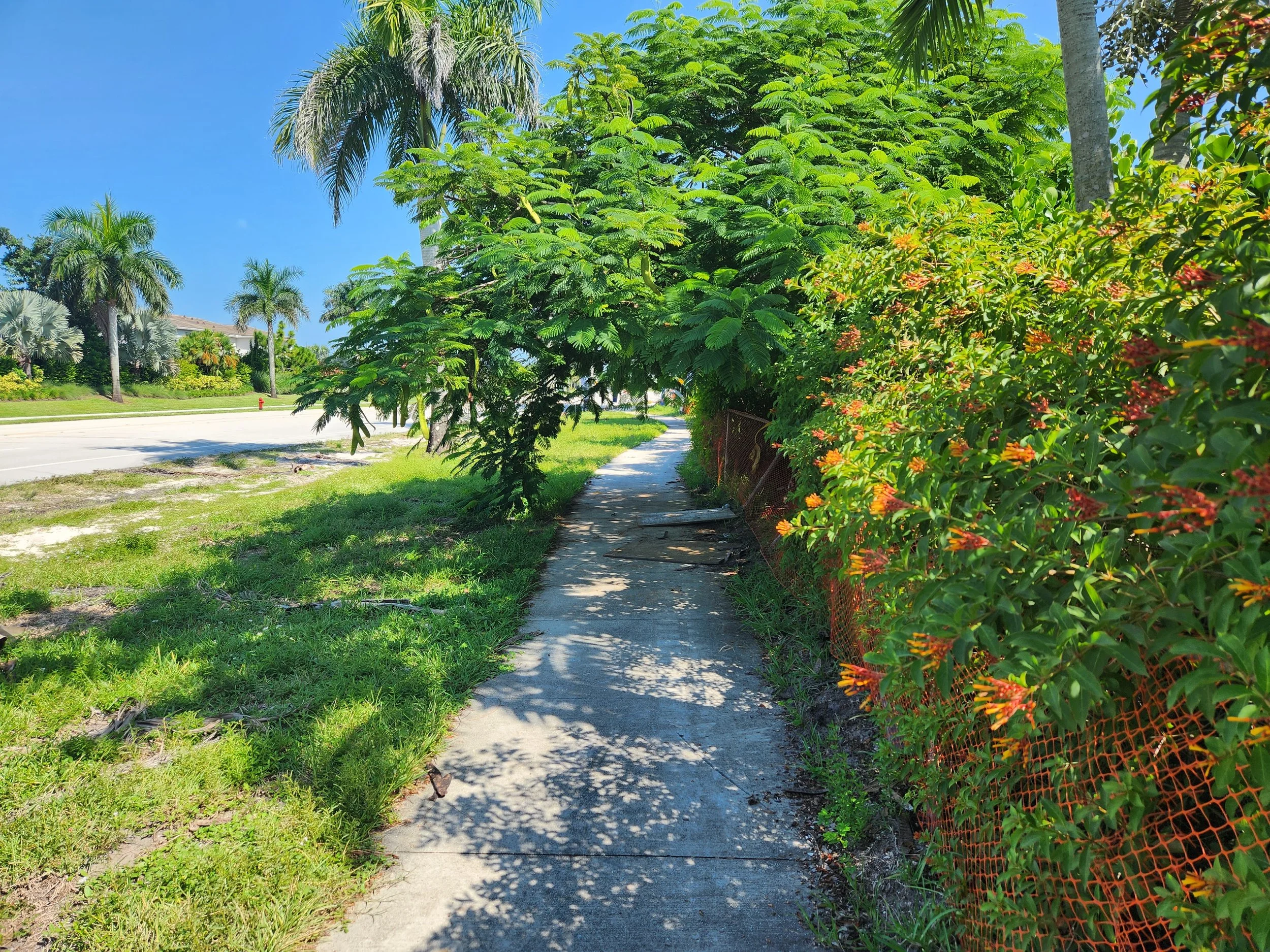
Vegetation drift may gradually narrow pedestrian routes.
Among the most persistent drivers of accessibility change are natural environmental forces.
Landscaping may initially respect required clearances. Trees are planted at appropriate offsets. Branches are trimmed. Walkways are unobstructed.
Then growth occurs.
Vegetation expands beyond its original footprint. Branches extend into circulation paths. Root systems apply pressure to pavement. Surface elevations shift incrementally.
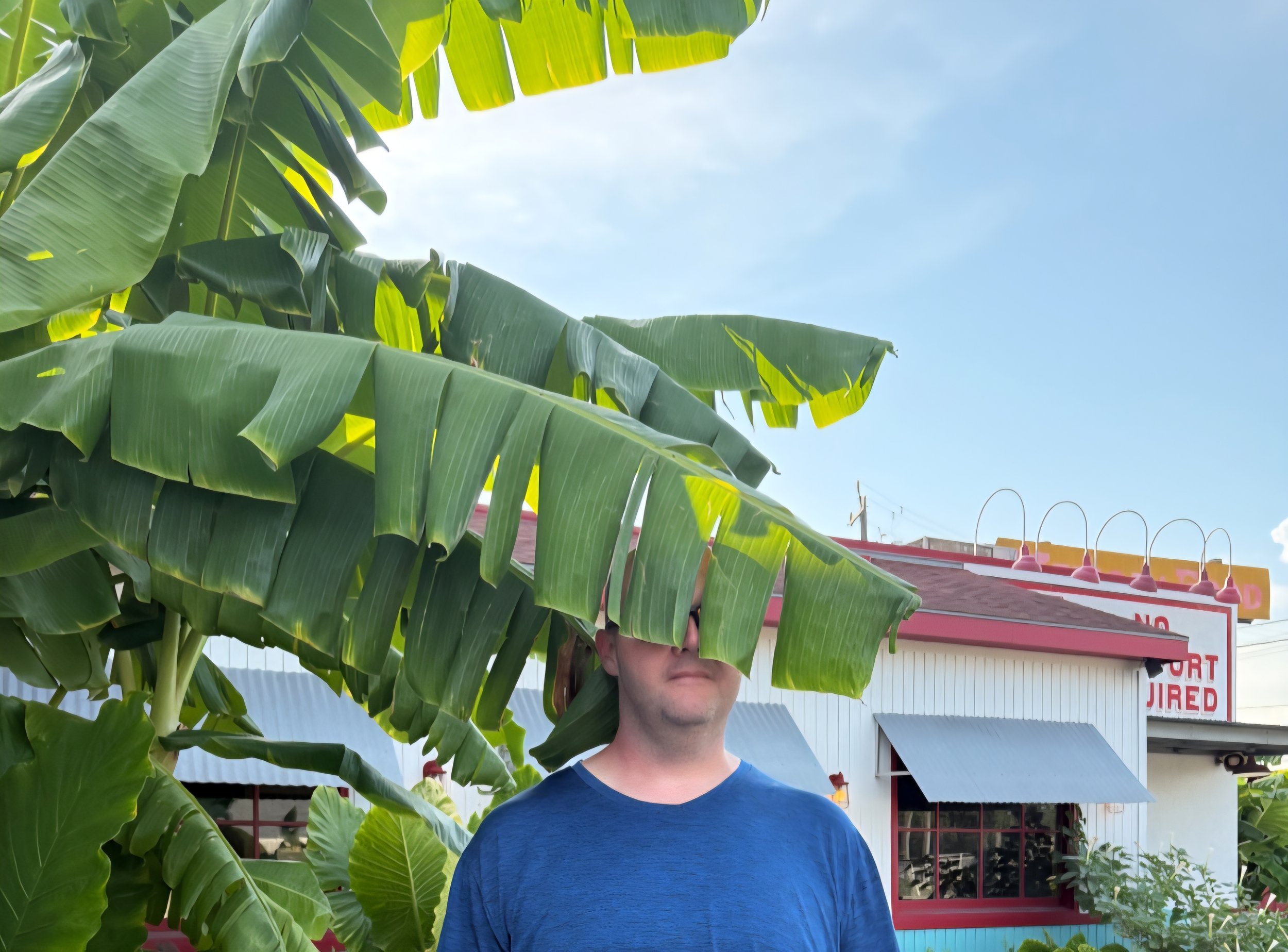
Vegetation growth can introduce unexpected conditions along pedestrian routes.
These changes are neither unusual nor inherently problematic from a maintenance standpoint. They are normal consequences of time and biology.
Yet their impact on circulation and accessibility can be substantial.
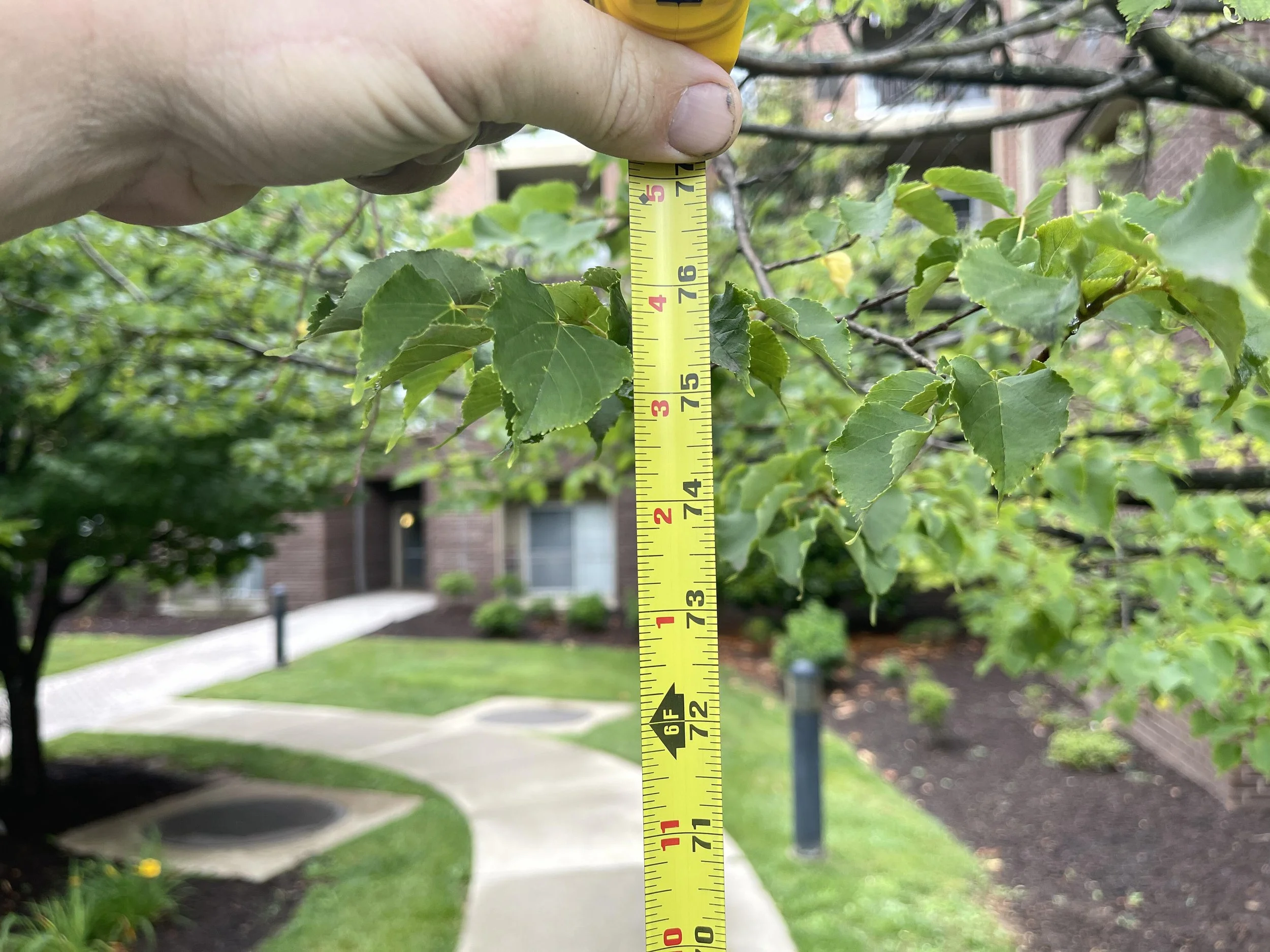
Small dimensional changes may meaningfully affect route usability.
Walkways may gradually narrow. Vertical displacements may emerge. Headroom conflicts may develop. Surfaces that once performed predictably may behave differently under load.
Such conditions are routinely encountered during accessibility evaluations, facility inspections, and condition assessments.
Small Variations Can Have Real Effects
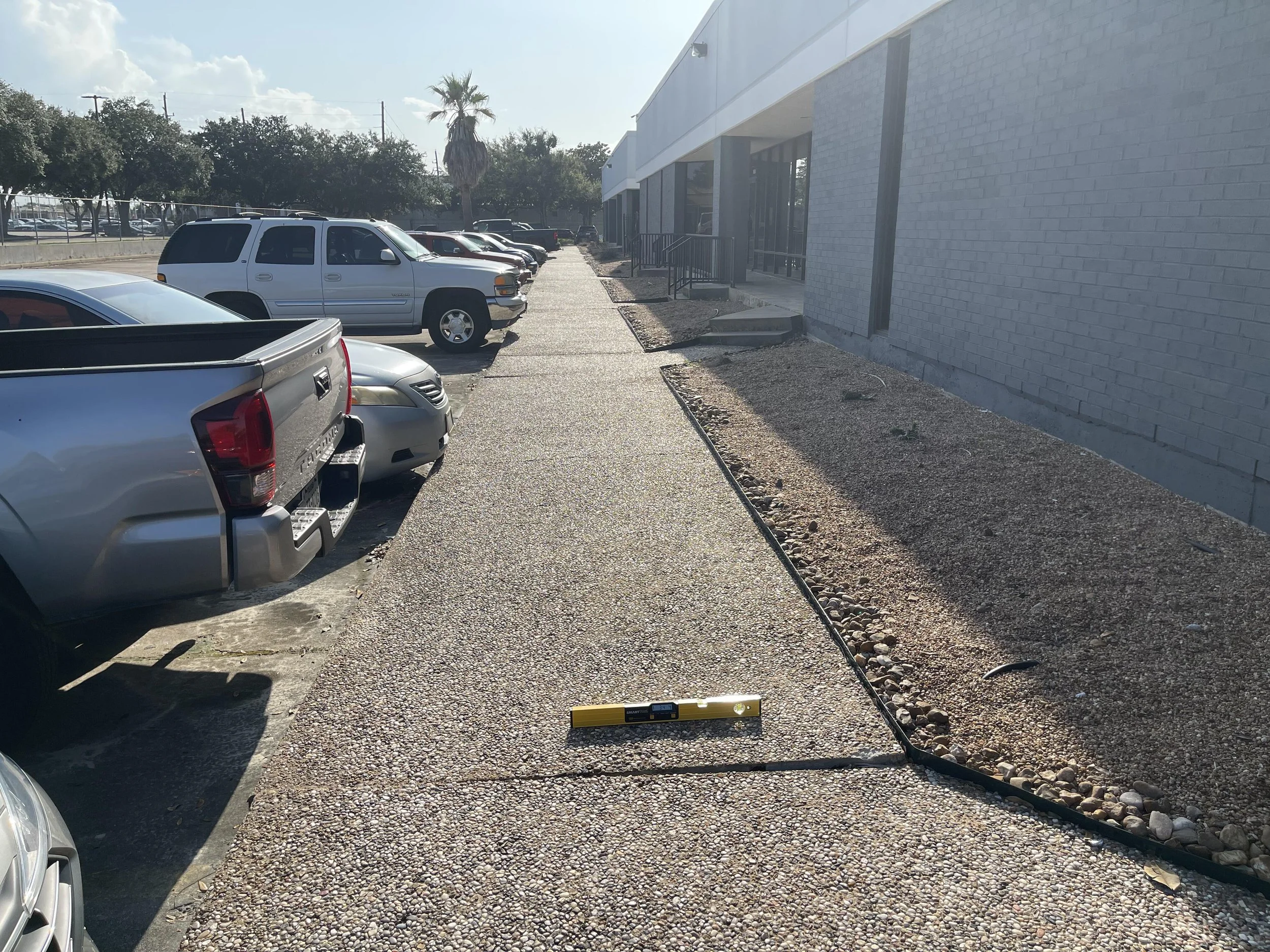
Minor elevation variations may affect pedestrian travel.
Accessibility standards rely on precise tolerances for a reason. Very small physical variations can meaningfully affect stability and maneuverability.
A slight vertical displacement may seem inconsequential to many users, yet it can pose a measurable obstacle for individuals using mobility devices. Minor slope deviations may alter how surfaces perform during everyday use.
These are rarely catastrophic failures.
They are incremental shifts with practical consequences.
From a risk perspective, subtle surface irregularities can contribute to incidents frequently associated with premises liability, such as slip-and-fall claims.
Importantly, many of these conditions develop gradually, making them easy to overlook within the rhythm of daily operations.
Operational Decisions Introduce Drift
Beyond environmental influences, routine operational activities also shape accessibility performance over time.
Doors are adjusted. Hardware is replaced. Signage is relocated. Fixtures are updated. Surfaces are repaired. Parking areas are restriped.
Each action, though well-intentioned, introduces the potential for deviation.
Maintenance teams understandably prioritize restoring functionality. Accessibility considerations may not always factor into replacement or adjustment decisions, particularly when changes appear minor.
Substitutions that seem equivalent from a functional standpoint may behave differently from a dimensional or performance standpoint. Clearances may shift slightly. Mounting locations may change. Forces may increase.
These are conditions frequently identified during follow-up inspections, compliance evaluations, and assessments performed in support of litigation or expert witness analysis.
Again, these changes are rarely deliberate.
They are natural byproducts of normal building operations.
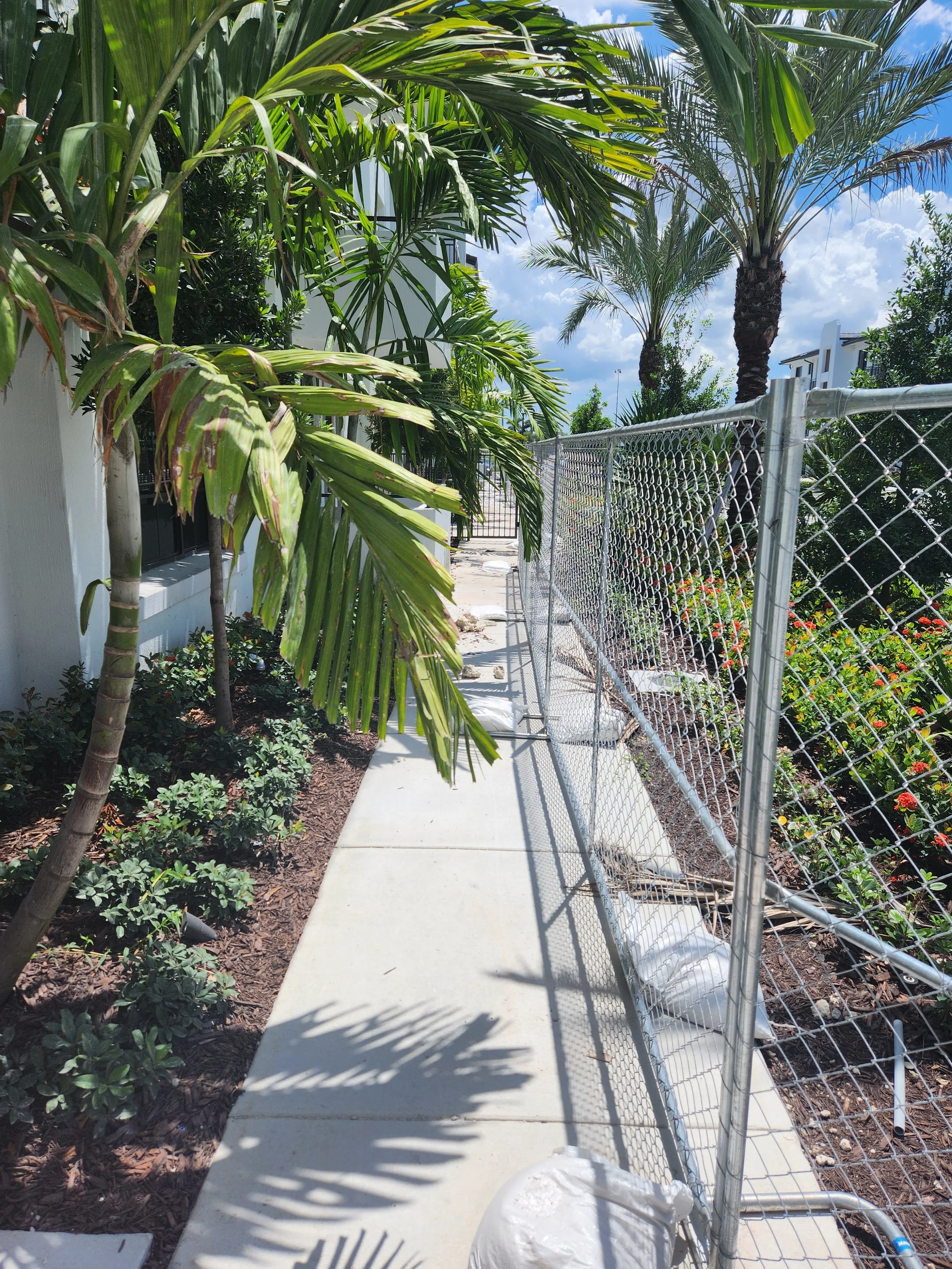
Temporary conditions may significantly reduce usable pedestrian space.
The “Looks Fine” Problem
One of the most challenging aspects of long-term accessibility management is the subtle nature of many issues.
Accessibility barriers often develop quietly.
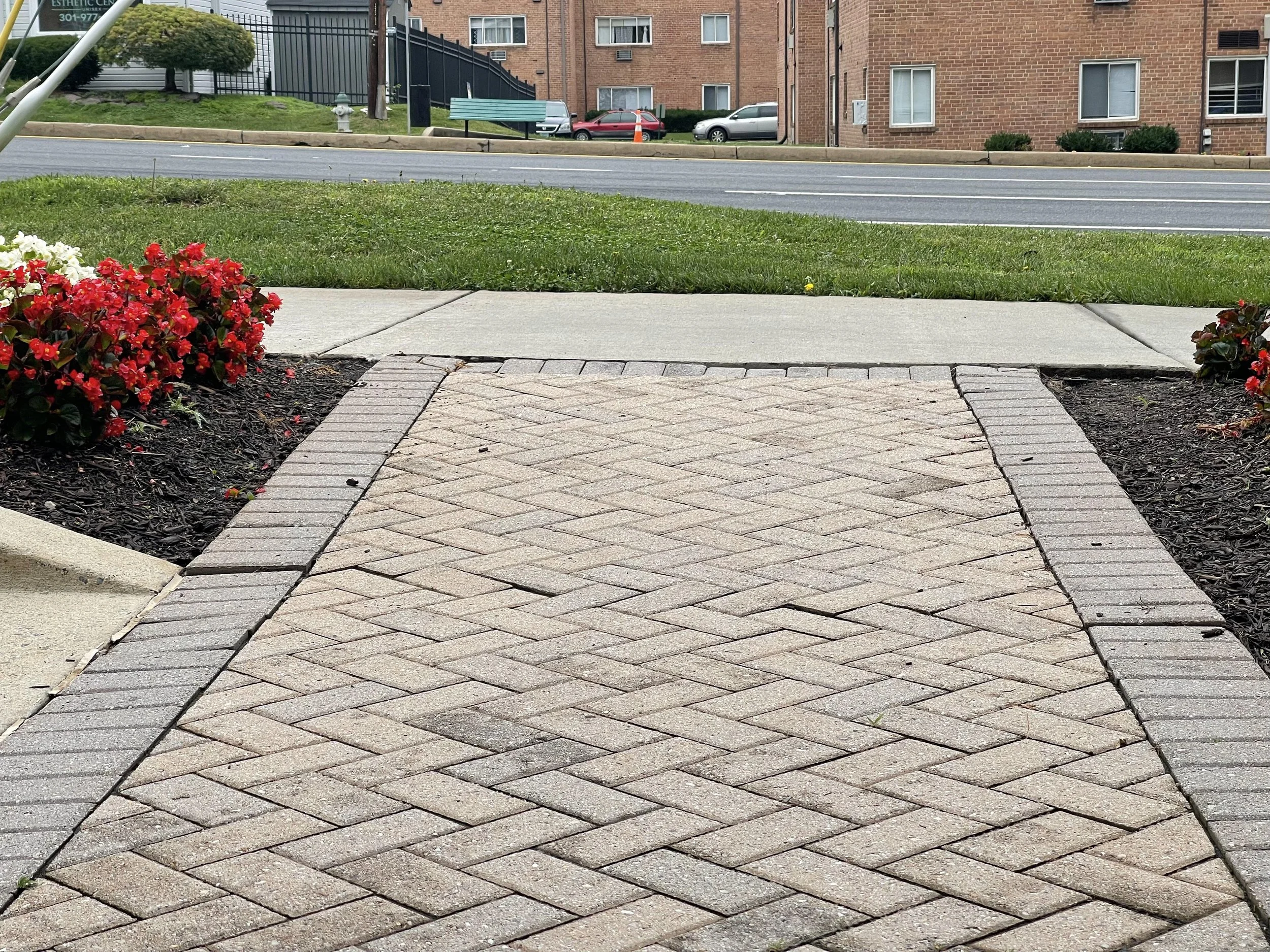
Material behavior over time can introduce irregularities.
A walkway narrowed by landscaping still appears to be a walkway. A slightly displaced slab still resembles a sidewalk. A door requiring marginally greater force still appears operational.
Visual familiarity frequently masks functional impact.
Accessibility performance is defined not only by the presence of elements, but also by how those elements behave when used by individuals with varying physical abilities.
Conditions that appear acceptable may nonetheless degrade usability.
Over time, subtle variations can accumulate into patterns of reduced accessibility that may increase exposure to regulatory scrutiny, user complaints, or ADA-related disputes.
Why Drift Matters
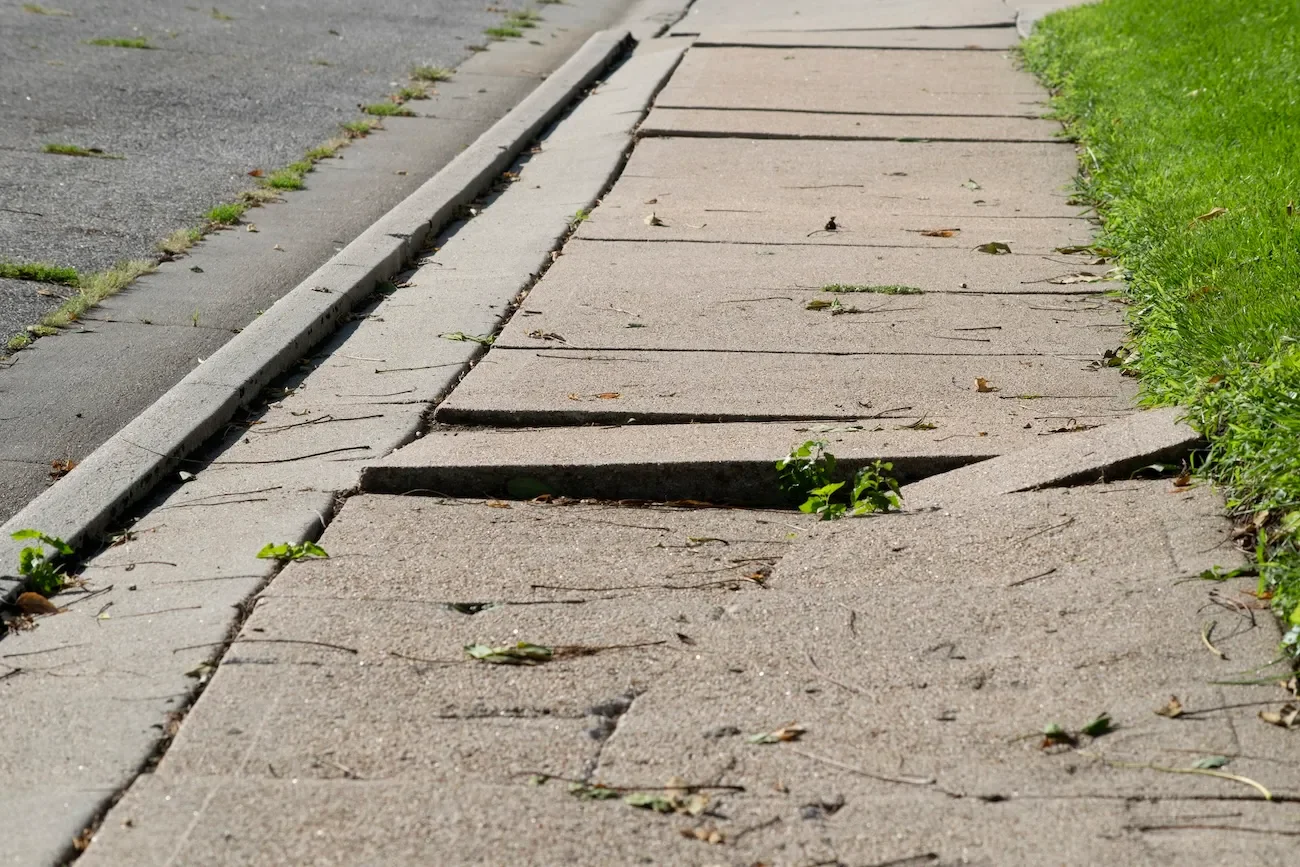
Surface displacement may significantly affect pedestrian safety and route usability.
The implications of gradual accessibility change extend well beyond technical compliance.
There is a direct impact on individuals navigating the environment.
There is the economic impact of corrective work that becomes more complex as conditions compound.
There is the legal and risk-management dimension, where accessibility conditions may become focal points in disputes involving facility safety, usability, ADA lawsuits, or broader liability considerations.
Accessibility challenges frequently arise not from a single design decision by the architect, but from accumulated incremental changes.
Accessibility Requires Continuity
Accessibility is established at a moment in time.
Usability is tested continuously.
Buildings shift. Materials move. Environments evolve. Operational adjustments occur. Natural forces persist.
Without periodic verification, even well-designed environments will experience some degree of drift.
This is not failure.
It is normal building behavior.
Closing Thought
Accessibility is created through design.
It is sustained through operations.
Disclaimer: This content is for general informational purposes only and does not constitute legal or regulatory advice. Accessibility requirements vary by jurisdiction. Always consult federal, state, and local regulations, as well as licensed professionals, to ensure compliance.