
Back-to-School Access Guide:
What Public Schools Must Provide for Students with Disabilities
Important disclaimer
This article is general educational information based on federal civil rights laws. It is not legal advice and does not create an attorney-client relationship. Specific situations depend on the individual facts. Laws and agency processes can change. Parents should consult a qualified attorney or the U.S. Department of Education’s Office for Civil Rights (OCR) for advice about their child’s situation. ACI Consulting Architects provides accessibility consulting and facility evaluations. We do not practice law or represent clients in administrative or court proceedings.

As a new school year begins, many parents of children with disabilities are focused on the same practical questions: Will the building and programs actually work for my child? What must the school provide under the ADA and related laws? And what can I do if the school will not make needed accessibility changes?
Federal law gives clear answers on access and accommodations. This guide explains those requirements in plain language and outlines the steps parents can take.
The Three Main Federal Laws
Public schools are covered by three overlapping federal authorities. Understanding the differences helps parents ask for the right things.
Section 504 of the Rehabilitation Act of 1973
Applies because almost every public school district receives federal money. It prohibits discrimination on the basis of disability. It requires schools to provide a free appropriate public education (FAPE) under Section 504 standards. That means regular or special education and related aids and services designed to meet the student’s individual needs as adequately as the needs of students without disabilities are met. It also requires program accessibility and reasonable accommodations.
Title II of the Americans with Disabilities Act (ADA)
Applies to state and local government entities, including public school districts. The nondiscrimination standards are generally the same as Section 504. Title II specifically requires that each service, program, or activity, when viewed in its entirety, must be readily accessible to and usable by individuals with disabilities. New construction and alterations must meet the 2010 ADA Standards for Accessible Design.
Individuals with Disabilities Education Act (IDEA)
This is a separate funding law focused on special education. It provides Individualized Education Programs (IEPs) for eligible students. Eligibility is narrower than under Section 504. Many students are covered by both IDEA and Section 504/ADA. Some students are covered only by Section 504 and the ADA.
This guide focuses on the access and accommodations obligations under Section 504 and Title II of the ADA, which apply whether or not a student also has an IEP.
What Schools Must Provide
Program accessibility in existing facilities
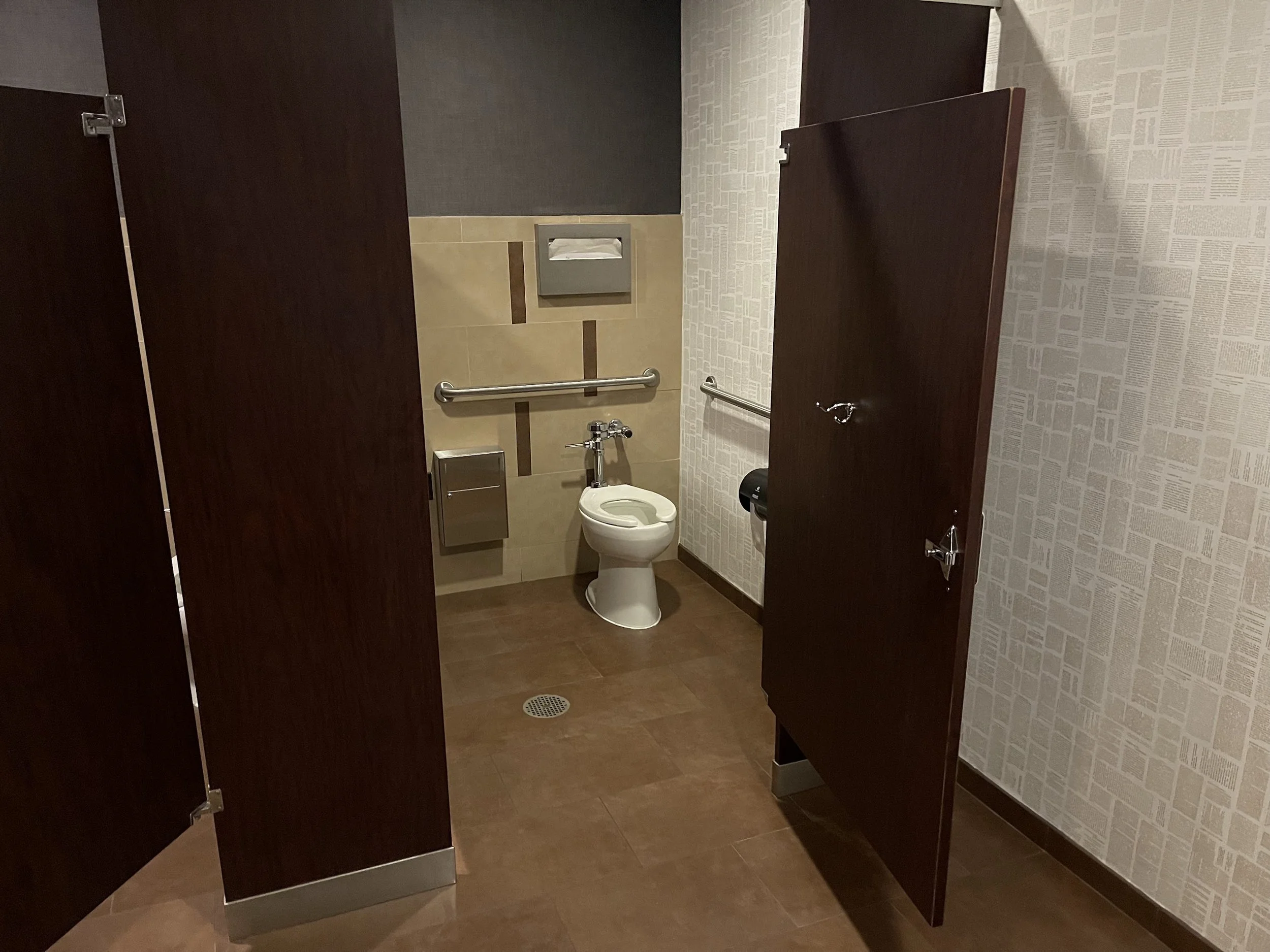
A school district must operate its programs and activities so that, when viewed as a whole, they are readily accessible to and usable by students with disabilities. This does not mean every older building must be fully renovated. The district can meet the requirement by moving classes or services to accessible locations, providing services at alternate accessible sites, or using other effective methods. Priority must be given to methods that keep the student in the most integrated setting appropriate. Structural changes are not required if other methods achieve the needed accessibility. (See 28 C.F.R. § 35.150 and the parallel Section 504 regulation.)
New construction and alterations
These must meet the applicable accessibility standards (currently the 2010 ADA Standards).
Reasonable modifications
Schools must make reasonable modifications to policies, practices, or procedures when necessary to avoid discrimination, unless doing so would fundamentally alter the nature of the program or create an undue burden.
Auxiliary aids and services
These must be provided when needed for effective communication, subject to the same fundamental alteration and undue burden limits.
Evaluation and plans
If the school has reason to believe a student has a disability and needs related aids or services, it has an obligation to evaluate. Eligible students are entitled to a written plan (commonly called a 504 plan) that documents the accommodations and services they will receive. Parents have the right to notice, to participate in the process, and to review relevant records.
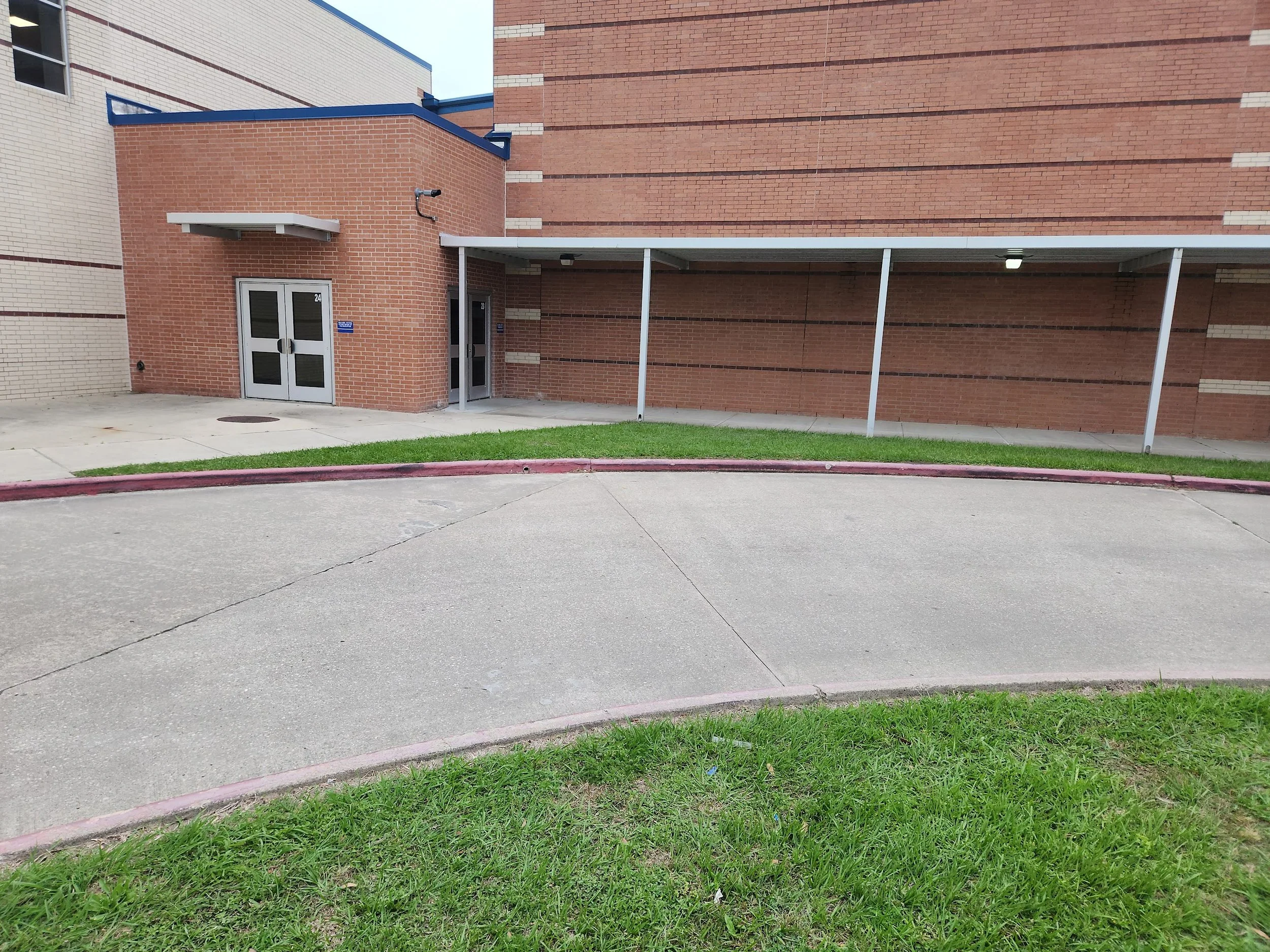
Physical barriers in restrooms, changing rooms, entrances, classrooms, playgrounds, paths of travel, and similar spaces are common sources of accessibility problems. An older building is not automatically exempt. Program access under the ADA and Section 504 still applies.
What Parents Can Request and Expect
Parents can request:
A formal evaluation under Section 504
· Participation in meetings that decide eligibility and the content of any 504 plan
· Specific accommodations and modifications needed for meaningful access and accessibility
· Equal opportunity to participate in non-academic and extracurricular activities
· Freedom from disability-based harassment
Put every request in writing. Keep copies of emails, letters, meeting notes, and responses. A clear written record is often the most useful tool a parent has.
If the School Refuses, Delays, or Provides Inadequate Access
Document the problem and your requests in writing.
Follow the district’s internal Section 504 grievance process if one exists (this is optional).
File a complaint with the U.S. Department of Education’s Office for Civil Rights (OCR).
Complaints are generally due within 180 calendar days of the last act of discrimination.
You can file online at no cost through the OCR complaint form.
You do not need a lawyer.
Request an impartial hearing under the district’s Section 504 procedures.
Consult an attorney experienced in disability education law if the situation is complex. Private lawsuits under Section 504 and the ADA remain available, subject to applicable time limits and other rules.
OCR is a neutral fact-finder. It can investigate the accessibility of facilities and programs, failure to provide needed aids and services, and related issues.
Protection Against Retaliation
Federal law does not allow a school district to punish or make life harder for a student or parent because the parent asked for access, accommodations, or better services under the ADA or Section 504.
Both Section 504 and Title II of the ADA prohibit retaliation. A school may not take adverse action against a student or parent for exercising rights under these laws, or for helping someone else exercise those rights. This includes requesting evaluations, asking for physical accessibility changes, raising concerns about facilities or services, filing a complaint, or participating in meetings or investigations.
The Title II regulation (28 C.F.R. § 35.134) states that no public entity shall discriminate against any individual because that individual has opposed any act or practice made unlawful by the ADA, or because that individual made a charge, testified, assisted, or participated in any investigation or proceeding. It also prohibits coercing, intimidating, threatening, or interfering with a person who is exercising their rights. Section 504 incorporates the same prohibition.
What Retaliation Can Look Like
Retaliation is not always obvious. It can include changes that make a student’s day more difficult after a parent has advocated. One example is relocating a student’s care or changing facilities (such as a changing room or personal care space) to a smaller, tighter, or harder-to-use area after the parent has raised concerns about accessibility or services. Other examples can include sudden restrictions on participation or unexplained changes that create new barriers.
Not every change is retaliation. Schools sometimes have legitimate operational reasons for moving spaces or adjusting services. The question is whether the change was made because of the parent’s advocacy and whether it creates a real burden. Timing, the nature of the change, and any explanations the school provides all matter. OCR looks at the full set of facts.
Practical Steps If You Suspect Retaliation
Document everything as it happens.
Write down the date you first raised concerns or requested changes. Note the date any facility or service change occurred. Take clear photos of the old and new spaces (with measurements if possible). Save emails, meeting notes, and any written responses from the school. Keep a simple timeline.
Raise the issue in writing with the school.
Send a short, factual email or letter to the school’s Section 504 coordinator and the principal (copy the superintendent if needed). State the facts without accusations. Example language: On [date] I requested [specific access or accommodation]. On [date] the school relocated my child’s changing/care area to [describe the new space and why it is harder to use]. This change appears linked to my earlier request and is making it more difficult for my child to receive needed care at school. Please restore the previous arrangement or provide an equally usable alternative while this is reviewed. I am happy to discuss solutions. Keep a copy of what you send and any reply.
Use the district’s internal process if it exists.
Many districts have a Section 504 grievance procedure. You are not required to use it before going to OCR, but it can sometimes produce a faster local fix.
You can include both the underlying accessibility or services issue and the retaliation claim in one complaint. File online through the OCR complaint form. Provide your timeline, photos, emails, and a clear description of what changed after you advocated.
Consider an impartial hearing or legal counsel.
Parents usually have the right to request an impartial hearing through the district’s Section 504 procedures. For more complex situations, consult an attorney experienced in disability education law.
The same set of facts (a less usable care space after advocacy) can support both a claim that the school failed to provide required accessibility or services and a claim of retaliation.
Keep communications professional and focused on your child’s needs. A clear factual record carries the most weight.
Closing
Parents do not have to accept inaccessible facilities or inadequate accommodations as the price of a public education. Section 504 and the ADA give concrete rights, and there are established processes to enforce them. Start with clear written requests and careful documentation. From there, the formal remedies exist.
For questions about physical accessibility of school buildings and sites, facility evaluations, or barrier identification, contact ACI Consulting Architects. We help schools and parents understand what the built environment must provide under federal accessibility standards.
Key Resources (links)
U.S. Department of Education Office for Civil Rights (search “OCR complaint” or “Section 504”)
OCR’s Parent and Educator Resource Guide to Section 504
28 C.F.R. Part 35 (Title II regulations)
34 C.F.R. Part 104 (Section 504 regulations)
Disclaimer: This content is for general informational purposes only and does not constitute legal or regulatory advice. Accessibility requirements vary by jurisdiction. Always consult federal, state, and local regulations, as well as licensed professionals, to ensure compliance.